Brightin Star 11mm F2.8 II Fisheye Review: Finding Fun in an Unfamiliar Focal Length
How an 11mm fisheye became one of my favourite lenses for creative portrait photography.
I’ll start with something that probably makes this review a little unusual. I’m not really a wide-angle photographer.
If you’ve followed my photography for a while, you’ll probably know that I naturally gravitate towards longer focal lengths which is why I usually use a 35-100 F2.8 lens.
Whatever I find myself shooting, I generally fine I’m most comfortable between those focal lengths.
Even 35mm doesn’t get used particularly often.
So when Brightin Star offered me the opportunity to try their 11mm F2.8 II fisheye lens, it was something completely different from my usual approach.
And I’m genuinely glad I gave it a go.
I’ve now used the lens on two model shoots, alongside a little street photography, and it’s produced some of my favourite portraits I’ve taken recently.
It’s also reminded me just how enjoyable photography can be when you step outside what you’re used to.
Stepping Outside My Comfort Zone
There’s something quite refreshing about picking up a lens that changes how you see everything around you.
With my usual punched in style, I’ve got a pretty good idea of how I want to frame a photograph before I even bring the camera up to my eye.
With an 11mm fisheye, that goes completely out of the window.
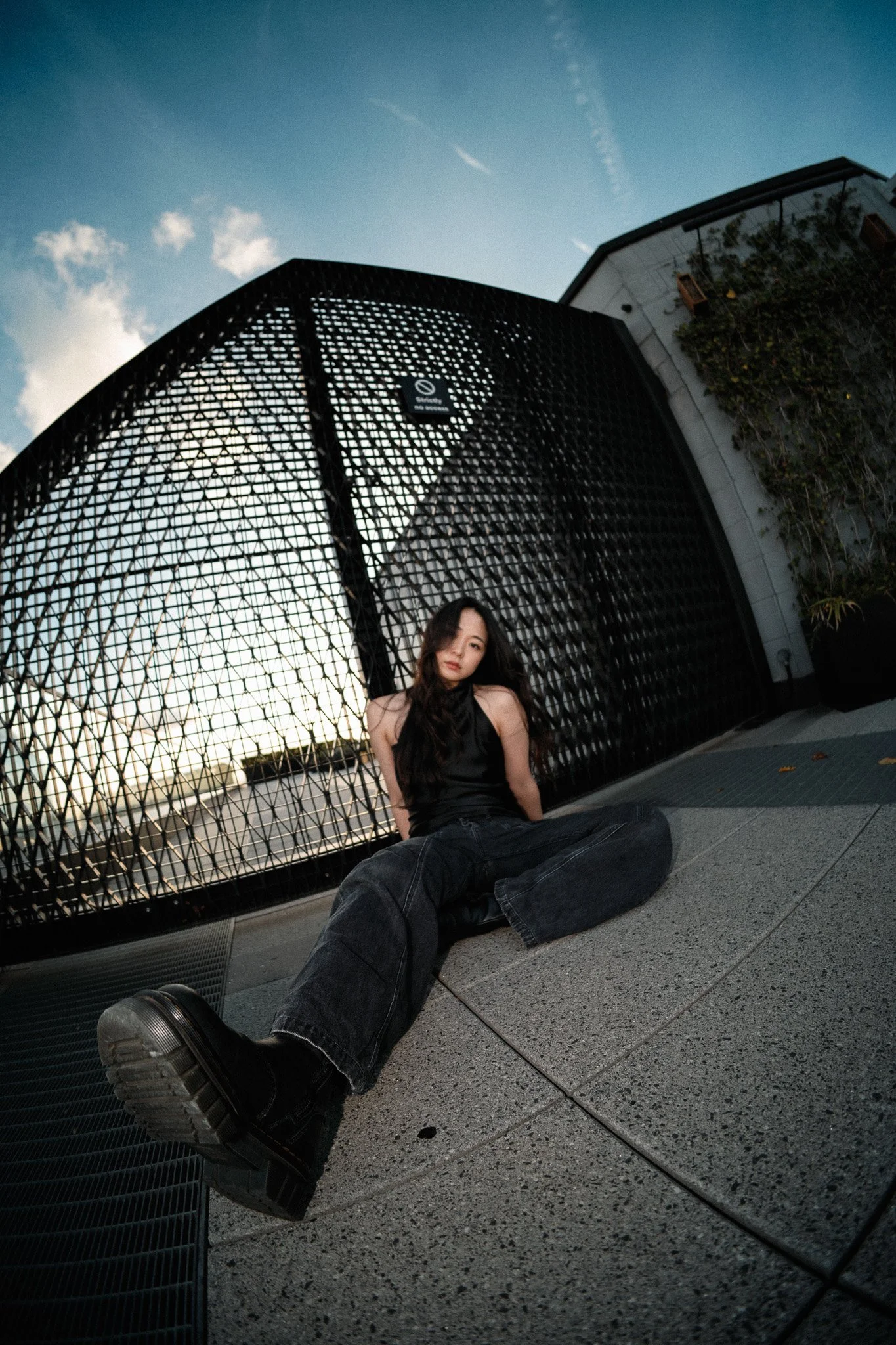
Suddenly, there’s an enormous amount of the scene included in every photograph. Straight lines start to curve, objects closer to the camera become exaggerated, and even small changes in camera position can completely transform the composition.
It’s a very different way of working.
Rather than trying to fight against the distortion, I’ve found myself embracing it. Getting down low, moving closer (sometimes too close without realising) to my subjects and using the environment around them to create photographs that I probably wouldn’t have considered with my usual lenses.
And that’s where the fun really started.
Using an 11mm Fisheye for Portrait Photography
I think this has been the biggest surprise for me.
When you think about portrait photography, an 11mm fisheye probably isn’t the first lens that comes to mind.
But after using it on two model shoots, it’s quickly become something I actively want to bring along.
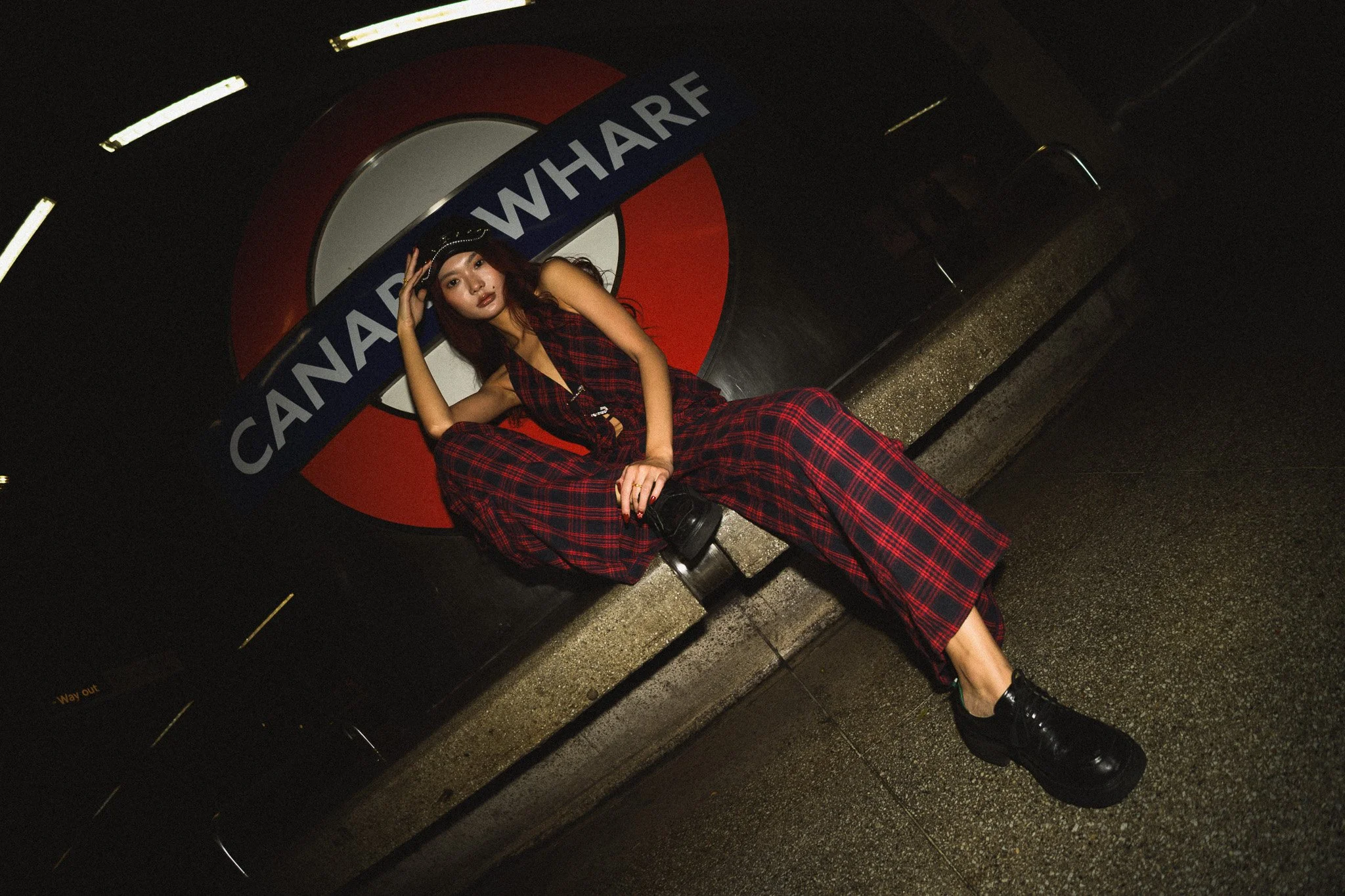
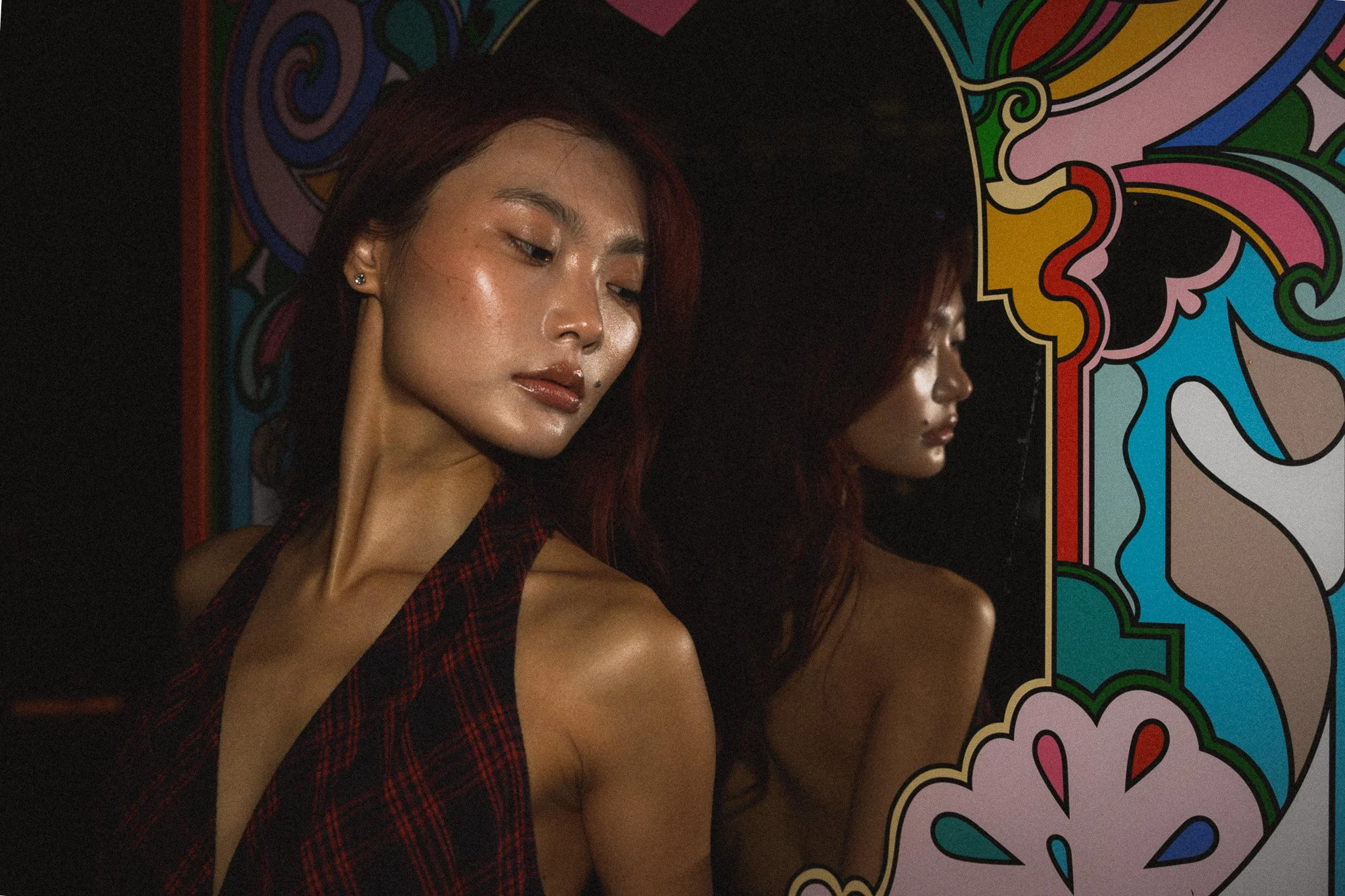
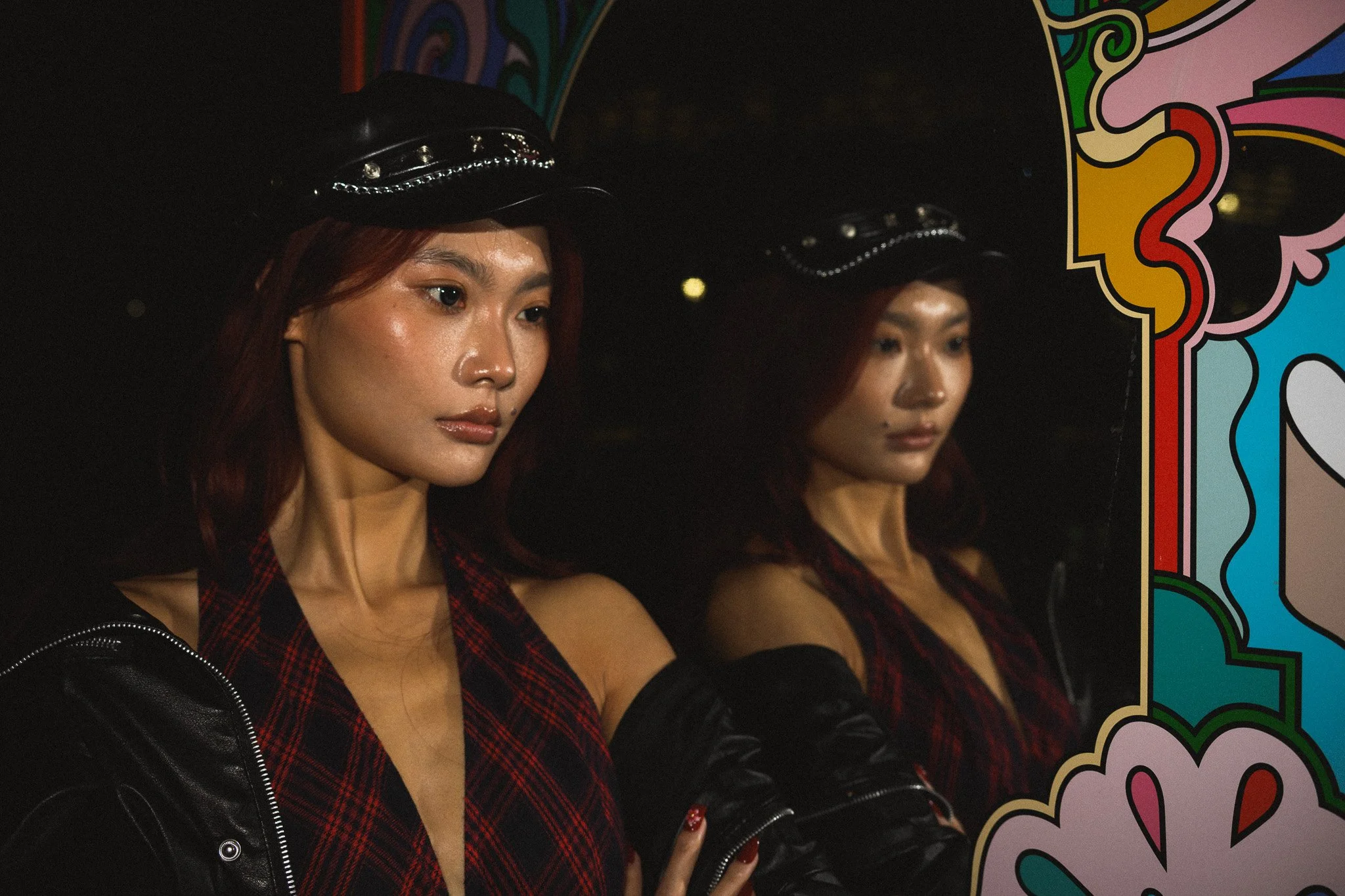
During my shoot with ChiChi around Canary Wharf, I started experimenting with how the lens could exaggerate different parts of the environment.
The escalators were particularly interesting. By positioning myself low and shooting upwards, I could make the surrounding architecture feel enormous while keeping ChiChi as the main focus of the photograph.
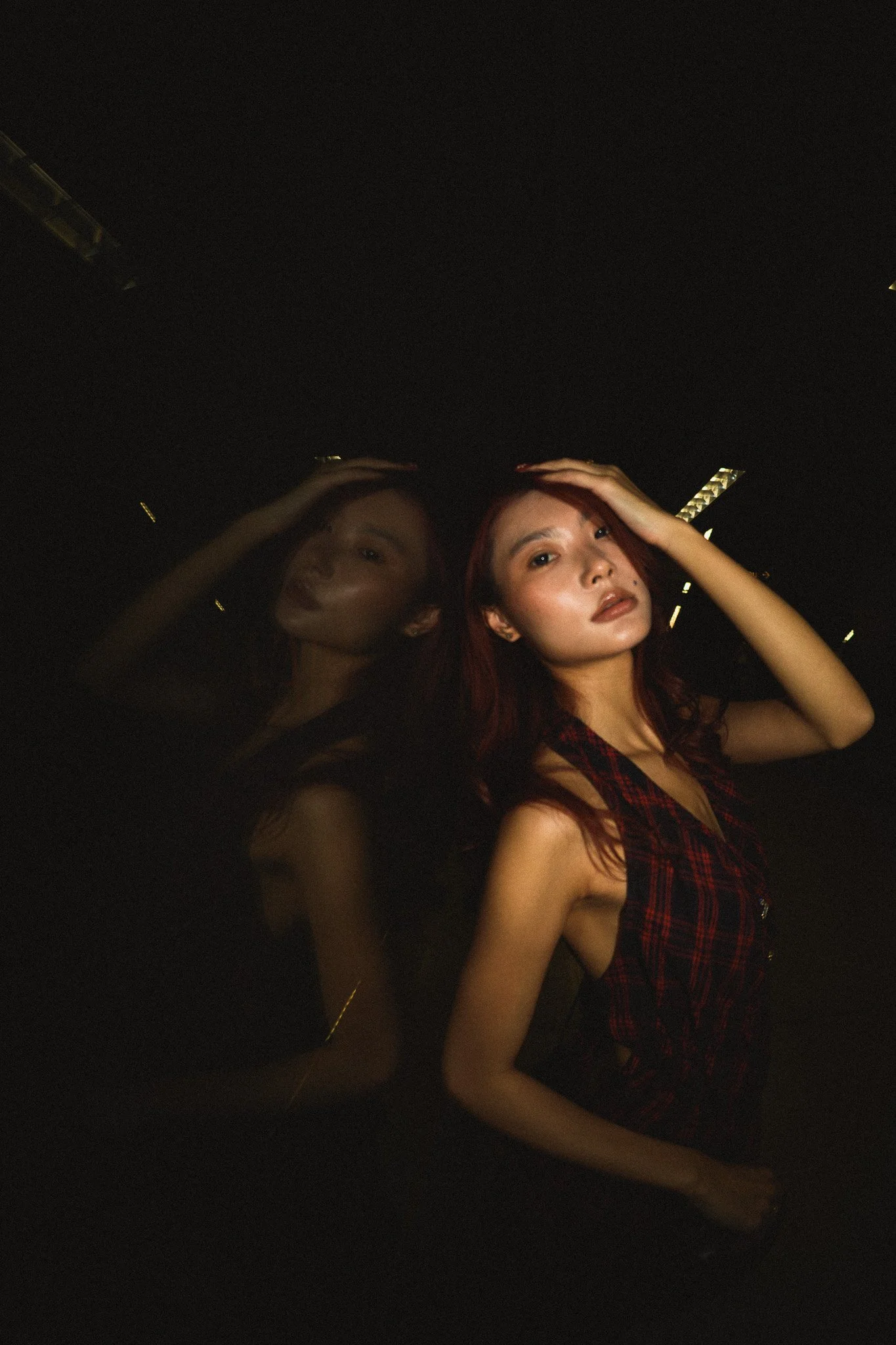
We also experimented around the Underground station, using the station signage, different angles and direct flash to create something a little more unconventional.
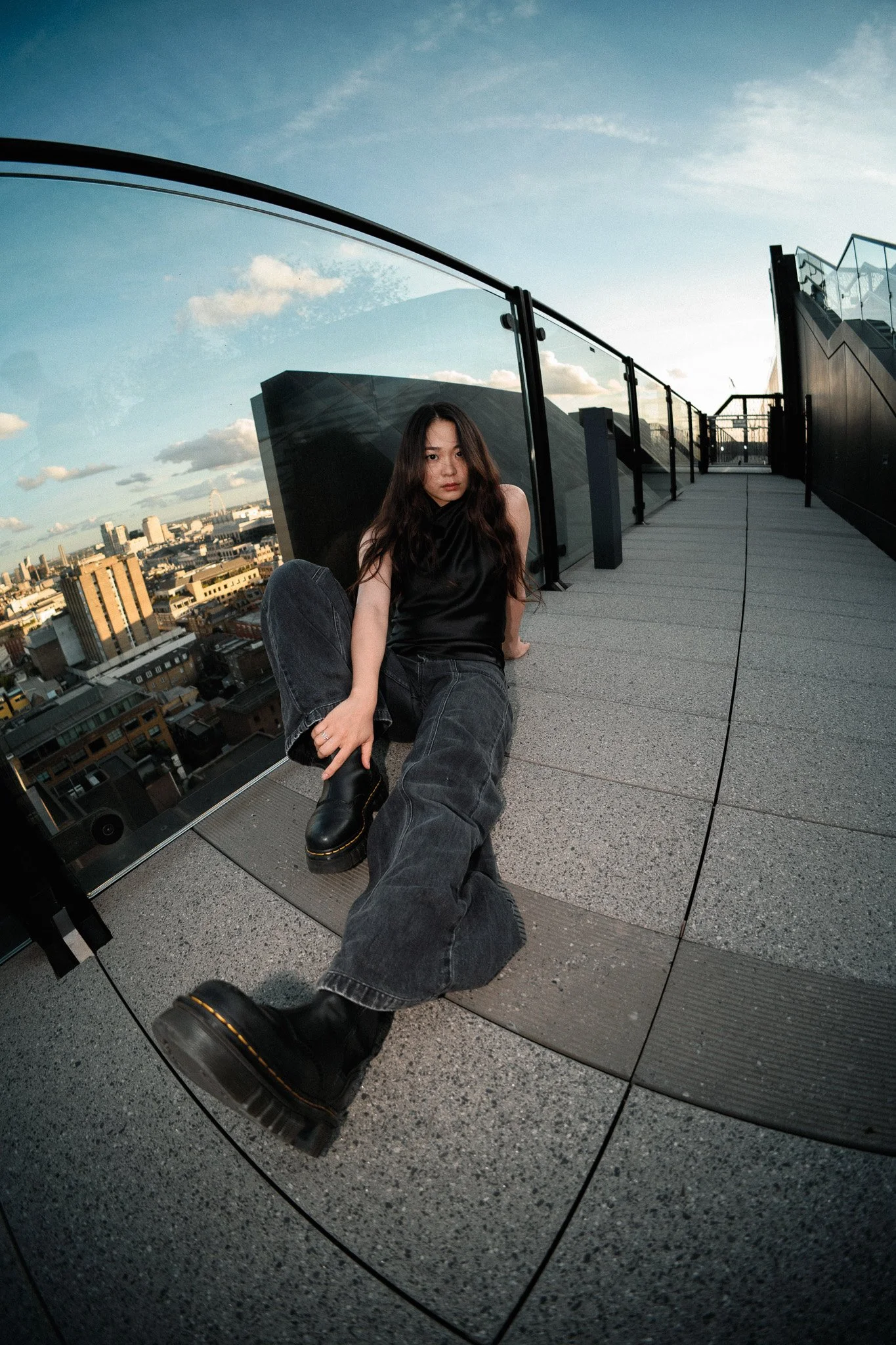
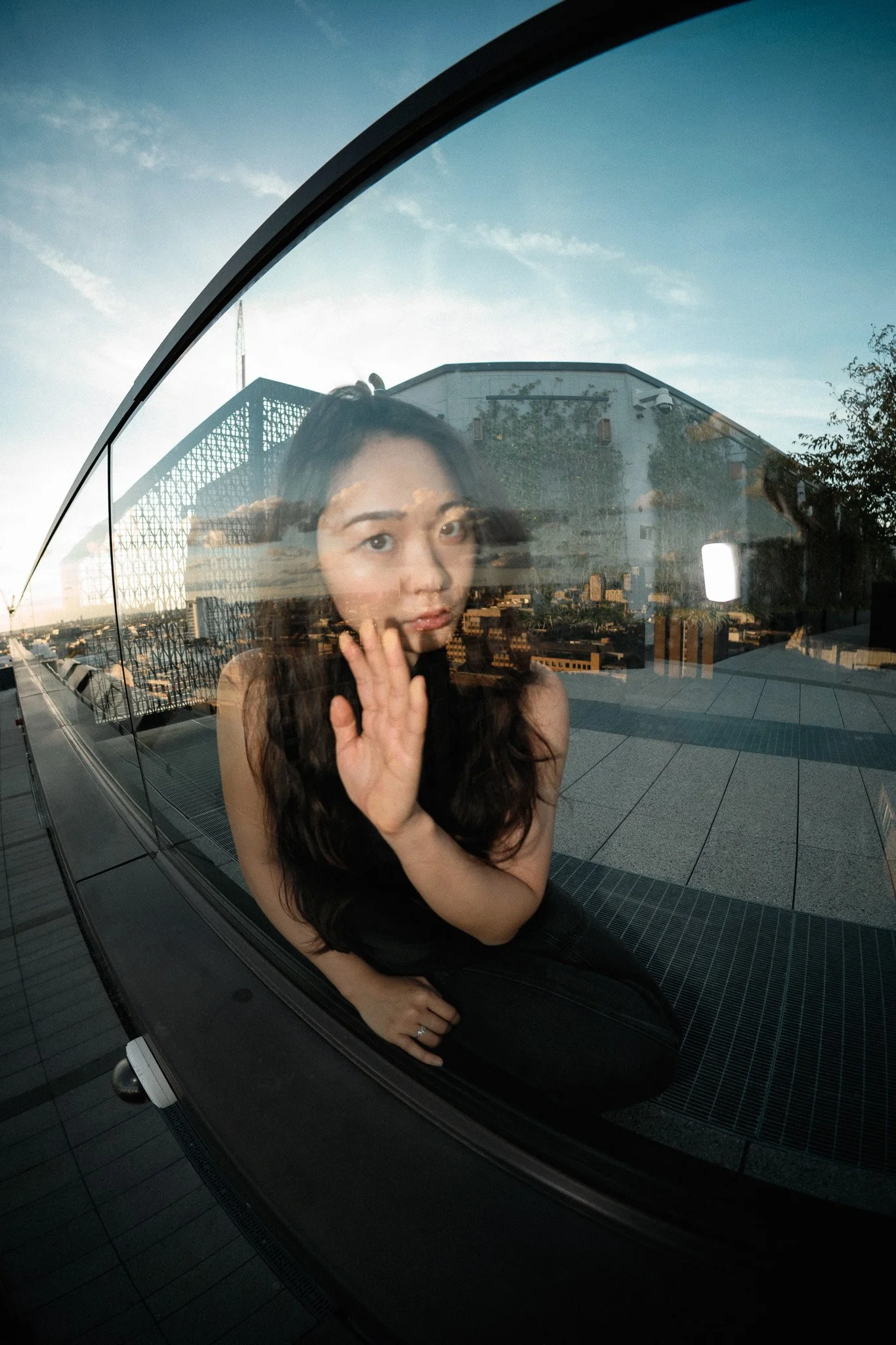
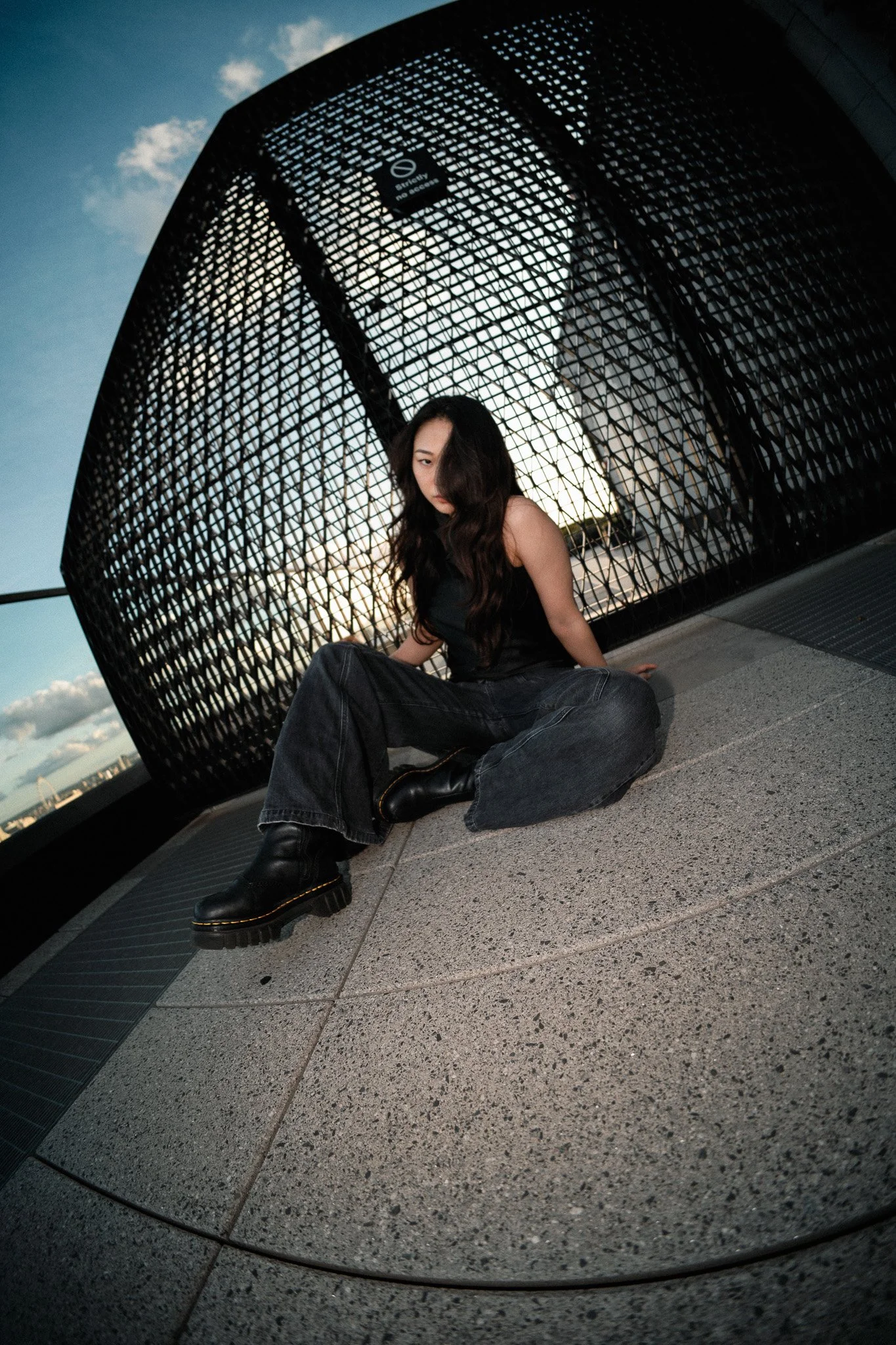
On another shoot, I took a similar approach but in a completely different environment. This time, I was working around a rooftop, using the surrounding architecture, reflections and exaggerated foreground perspective.
By getting down close to the ground, I could bring the model’s boots right towards the camera while still including the wider environment behind her.
It’s the sort of composition that just wouldn’t work in quite the same way with my usual lenses.
What I’ve enjoyed most is that the lens doesn’t force every photograph to look completely distorted.
You can still create more conventional portraits by being careful with your positioning, but you’ve also got the option to push things much further.
That flexibility has been a pleasant surprise.
Adding Flash Into the Mix
Something else I’ve been experimenting with recently is flash photography.
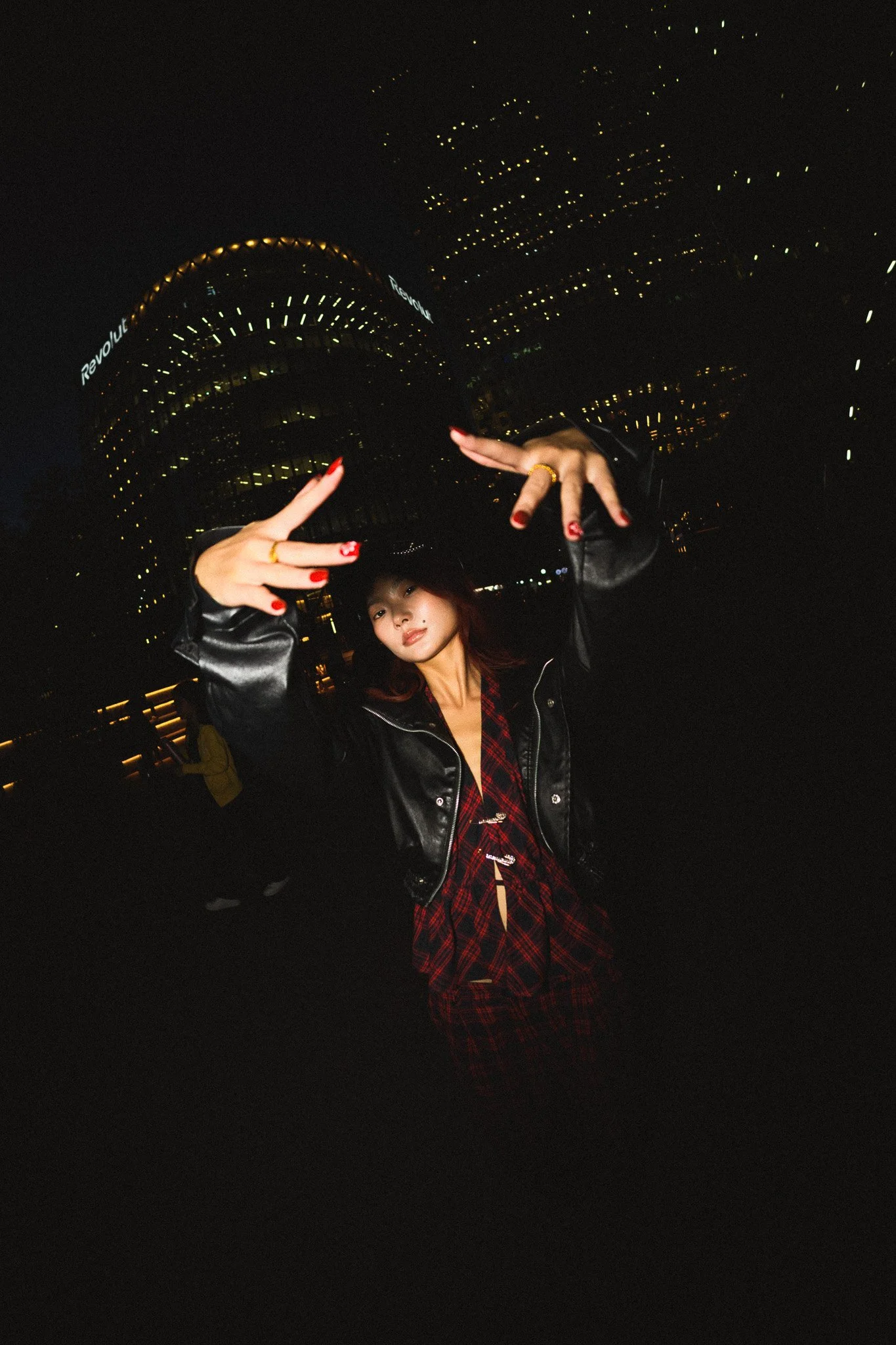
It’s not something I’ve traditionally used a great deal for my model work, but combining flash with the Brightin Star has been particularly enjoyable.
There’s something about the combination of direct flash, exaggerated perspective and nighttime London that works incredibly well.
During the Canary Wharf shoot, the flash helped separate ChiChi from the darker surroundings, while the fisheye allowed me to keep so much of the environment in the photograph.
The results have a slightly raw, punchy feel that I’ve really enjoyed.
And perhaps more importantly, it’s encouraged me to experiment.
I’ve found myself trying camera positions I wouldn’t normally consider, moving much closer to my subjects and worrying a little less about whether a photograph fits my usual style.
Sometimes it works, sometimes it doesn’t.
But when it does, the results can be fantastic.
I think that’s probably the biggest compliment I can give this lens. It’s made me want to try new things.
Manual Focus Isn’t a Problem
One thing worth mentioning is that the Brightin Star 11mm F2.8 II is a fully manual-focus lens.
For some photographers, that might immediately be a reason to look elsewhere.
Personally, it hasn’t bothered me at all.
I shoot a lot of film photography, so manually focusing a lens is something I’m already very comfortable with.
In fact, with a lens this wide, focusing is often considerably easier than you might expect.
I’ve found it quite straightforward to zone focus, particularly when working at smaller apertures. With such an enormous field of view and plenty of depth of field available, you can set your focus for a particular distance and concentrate more on composing your photographs.
That’s been especially useful when moving around with models, experimenting with different angles or photographing more spontaneously.
Of course, if you’re shooting closer to your subject at wider apertures, you’ll still want to pay attention to your focus.
But overall, I really haven’t found the manual focusing to be an issue.
If anything, it suits the way I’ve been using the lens.
Taking It Onto the Streets
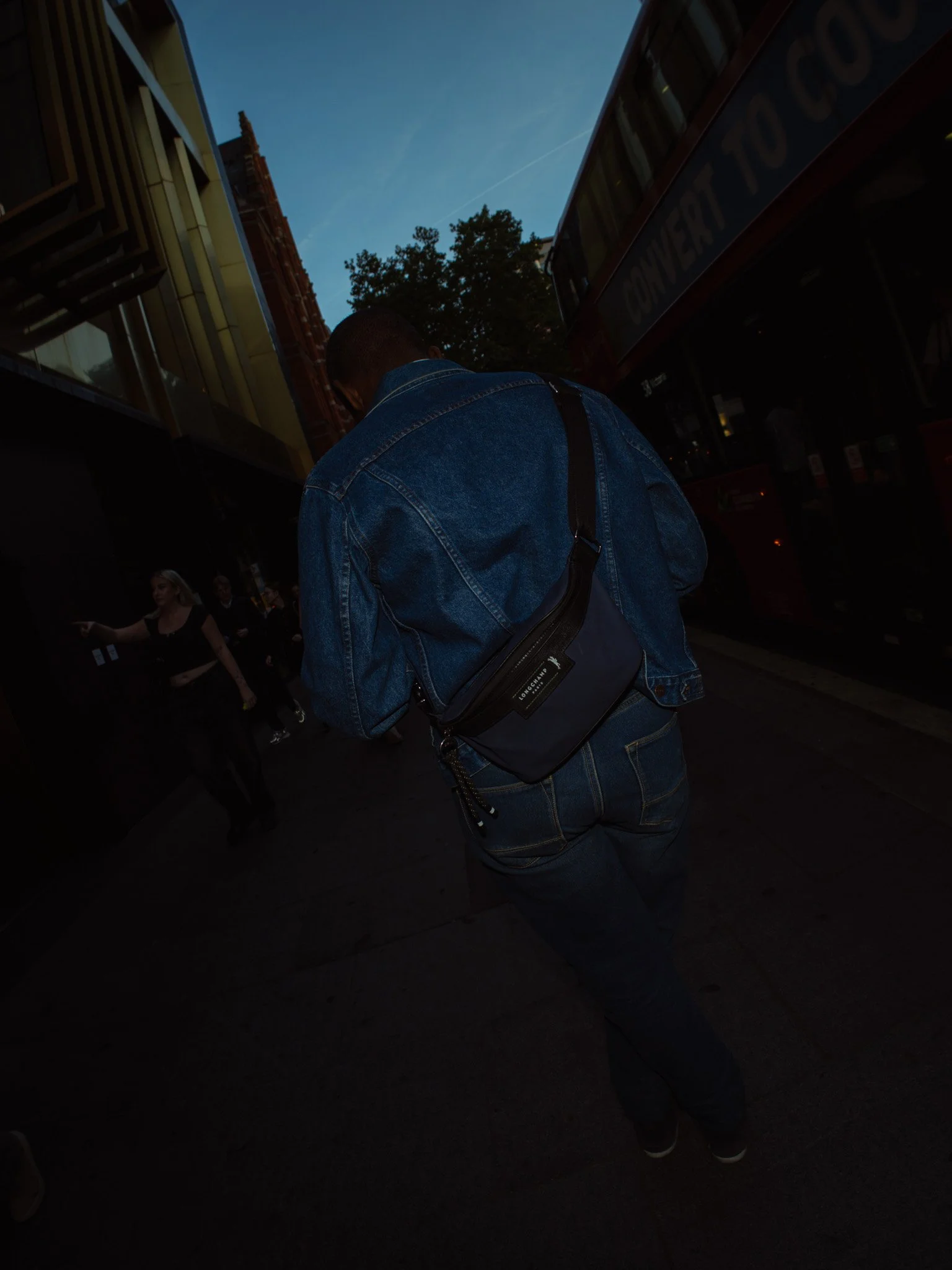
Although most of my time with the Brightin Star has been spent photographing models, I’ve also taken it out for a little street photography.
Admittedly, this is an area where I still want to experiment more.
My usual approach to street photography is quite different. I tend to look for individual subjects, interesting interactions and compositions that feel relatively natural.
With an 11mm fisheye, you’ve suddenly got so much more to consider.
Everything around your subject becomes part of the photograph, which can make finding a clean composition a little more challenging.
But I can definitely see the appeal.
London is full of interesting architecture, reflections, busy streets and unusual perspectives, all of which lend themselves to a lens like this.
It’s something I’m looking forward to exploring further, although for now, portrait photography is definitely where I’ve enjoyed using it most.
A Little About the Lens
For those interested in the specifications, the Brightin Star 11mm F2.8 II is a full-frame fisheye lens, available for Nikon Z mount, among others.
It offers an enormous 182-degree field of view, a maximum aperture of f/2.8 and fully manual focusing.
On paper, it’s quite a specialist lens.
The fisheye distortion is obviously a big part of its character, and it’s certainly not something I’d recommend if you’re looking for a conventional ultra-wide lens with straight lines and natural perspective.
But that’s also what makes it interesting.
You’re not buying this lens to replace your everyday lenses. You’re buying it because you want to experiment with something different.
And considering its price of around £190, I think it offers a really accessible way to do that.
It’s not an insignificant amount of money, but compared with some of the more expensive lenses available for full-frame mirrorless cameras, it’s a relatively affordable way to introduce a completely different perspective into your photography.
Would I Recommend It?
I think that depends entirely on what you’re looking for.
If you want one lens to do absolutely everything, this isn’t it.
There are certainly more practical focal lengths for everyday photography, and I wouldn’t suddenly replace my usual portrait lenses with an 11mm fisheye.
But if you’re looking for something creative, something that challenges the way you compose photographs and encourages you to experiment, then I think it’s absolutely worth considering.
For me, it’s been particularly enjoyable for shooting models.
The combination of dramatic perspective, environmental portraits and flash has produced results that I’m genuinely pleased with.
And considering I very rarely use anything wider than 35mm, I think that says quite a lot.
Final Thoughts
I think it’s easy to fall into familiar habits with photography.
We find the lenses we enjoy, develop a particular way of composing photographs and naturally stick with what we know works.
There’s nothing wrong with that. It’s part of developing your own style.
But every now and then, something comes along that makes you approach photography a little differently.
For me, the Brightin Star 11mm F2.8 II has been exactly that.
It’s not going to replace my 35-100 F2.8, and I don’t think I’ll suddenly become a dedicated wide-angle photographer.
But it’s given me another creative option, encouraged me to experiment with flash and produced some of my favourite model portraits so far.
Most importantly, I’ve had a lot of fun using it.
And sometimes, that’s more than enough reason to keep a lens in your camera bag.
Lens: Brightin Star 11mm F2.8 II Fisheye for Nikon Z
Camera: Nikon Z6III
All photographs featured in this article were taken using the Brightin Star 11mm F2.8 II.
