PGYTECH OneGo Roamer 18L — My New Favourite Everyday Camera Backpack
I’ve been through my fair share of camera bags since starting photography (5 so far).
Some have been brilliant for carrying equipment but far too bulky for everyday use. Others have looked great but haven’t been particularly practical when I’ve actually needed to get my camera out.
As someone who shoots both film and digital, I wanted something that could handle my different camera setups without feeling like I was carrying everything I owned.
More importantly, I wanted something I could use outside of photography too.
Enter the PGYTECH OneGo Roamer 18L Tote Backpack.
And, after spending some time with it, I can comfortably say it’s the best photography backpack I’ve used so far.
A camera bag that fits into everyday life
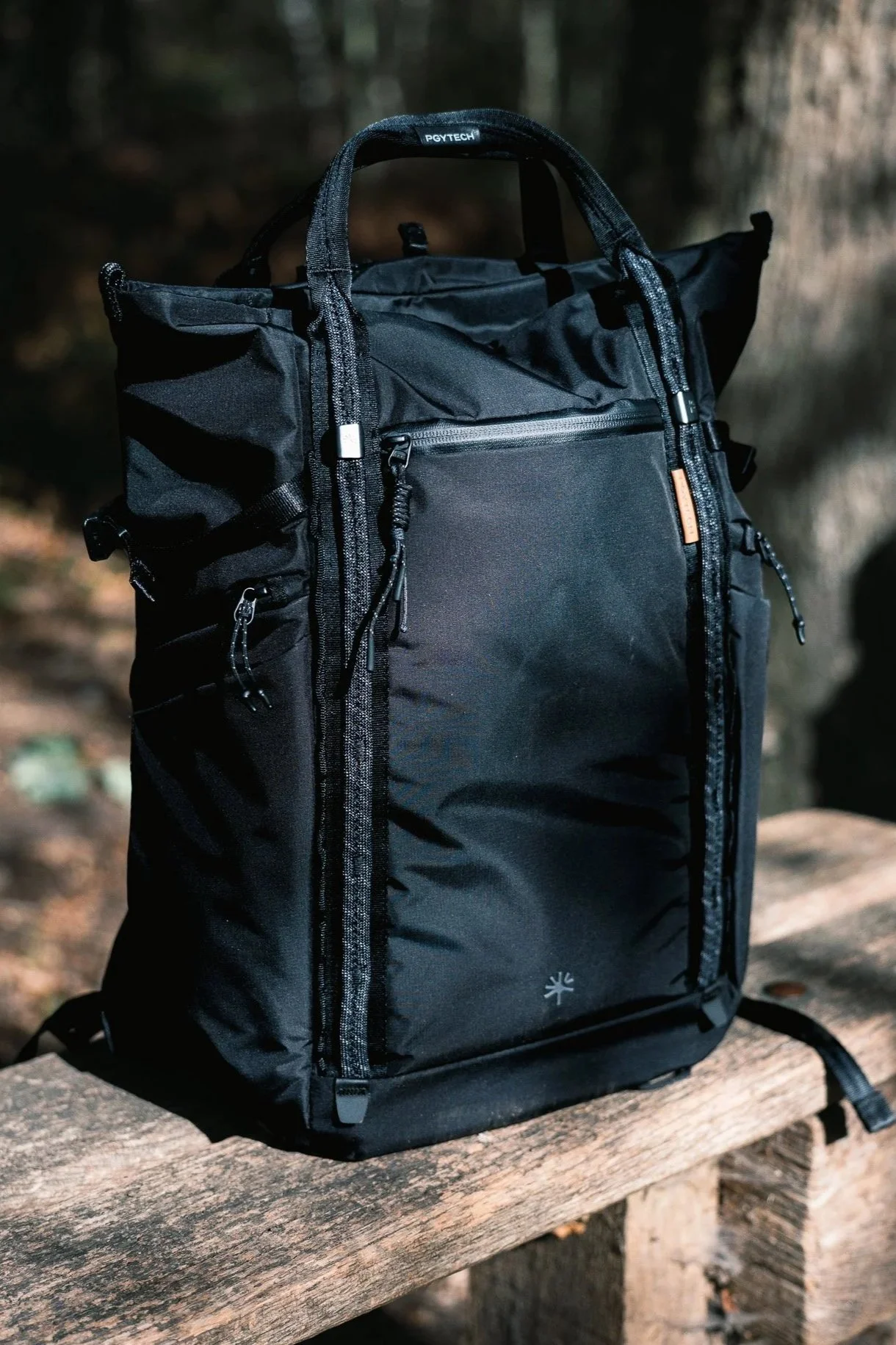
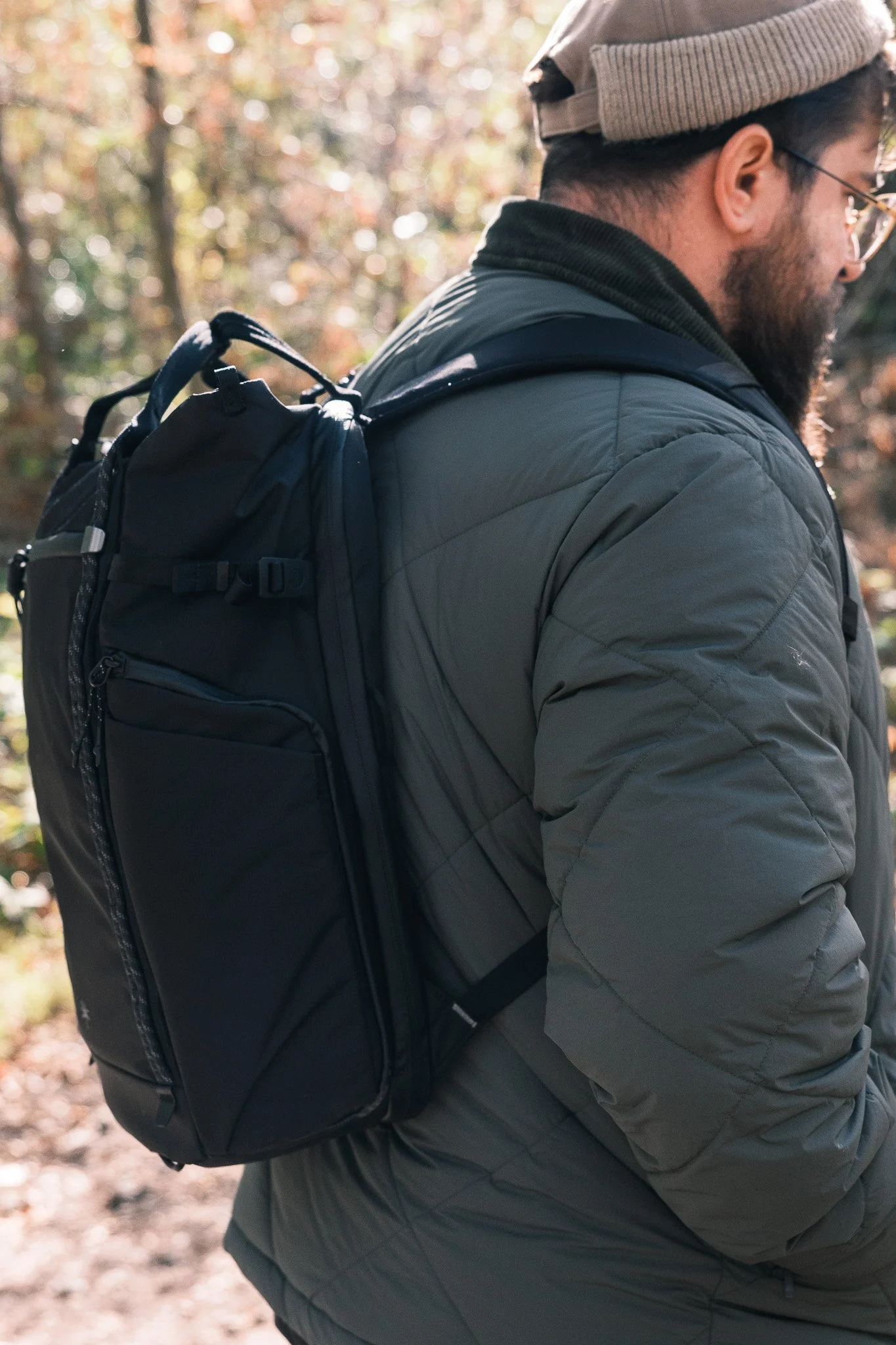
One of the biggest selling points for me is the size.
At 18 litres, the OneGo Roamer strikes a really good balance between having enough space for my equipment and not being unnecessarily bulky.
I regularly travel into the office with my laptop and camera equipment, and this bag gives me enough room for both without needing to carry anything extra.
It’s also become a great option for my photography walks around London.
Anyone who’s spent time travelling on the London Underground knows how frustrating a large backpack can be, especially when the trains are busy. The Roamer feels compact enough that I’m not constantly worrying about how much room I’m taking up.
It’s lightweight, easy to carry and doesn’t feel oversized for what I need.
For me, that’s a huge part of its appeal. It’s a bag I can use for work, photography or simply heading out for the day.
Design without shouting ‘camera bag’
I’ve always preferred photography equipment that doesn’t draw too much attention to itself.
Particularly with street photography, I don’t necessarily want to walk around with a bag that advertises the expensive cameras and lenses I’m carrying.
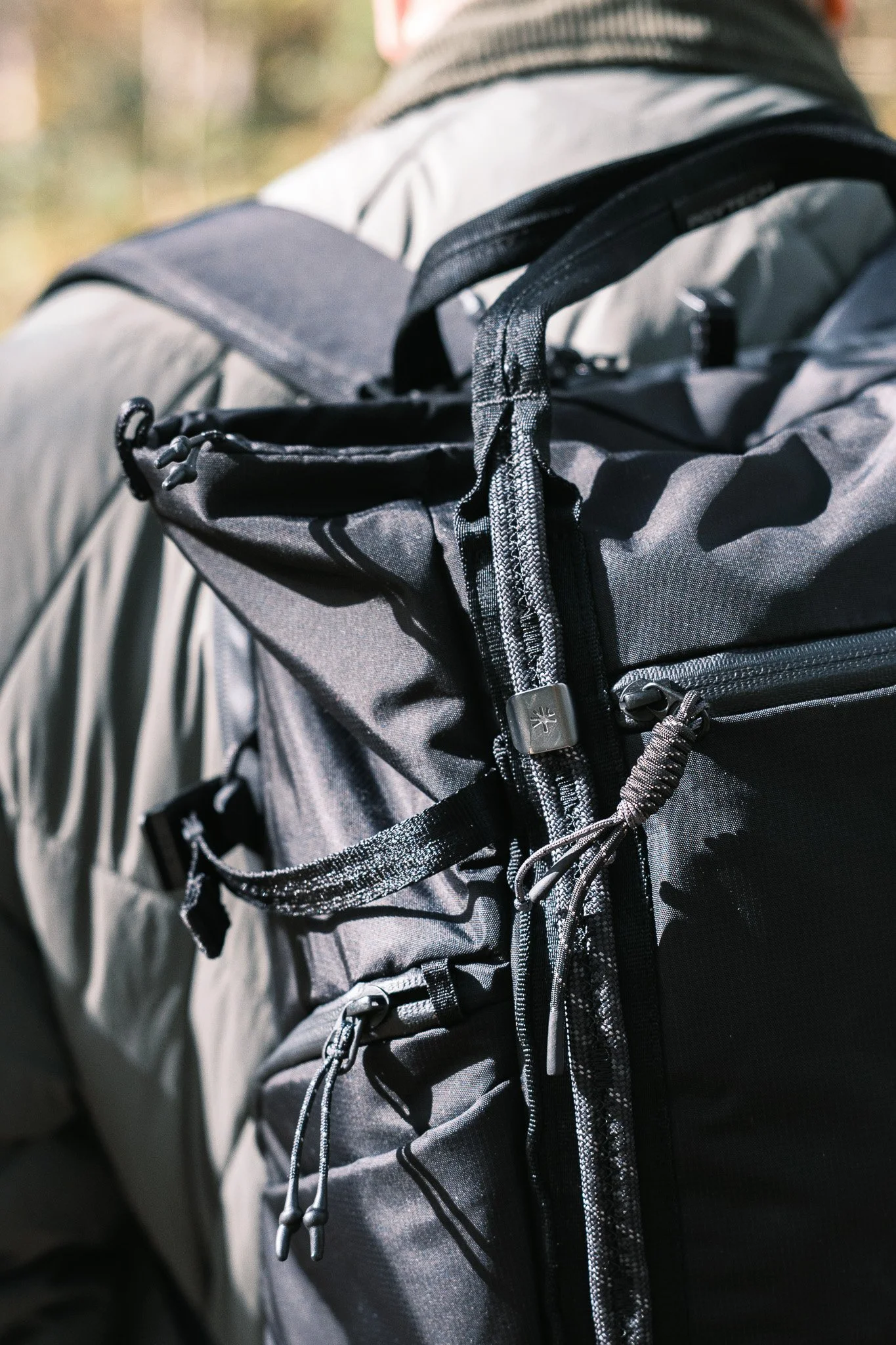
The OneGo Roamer has a really understated design.
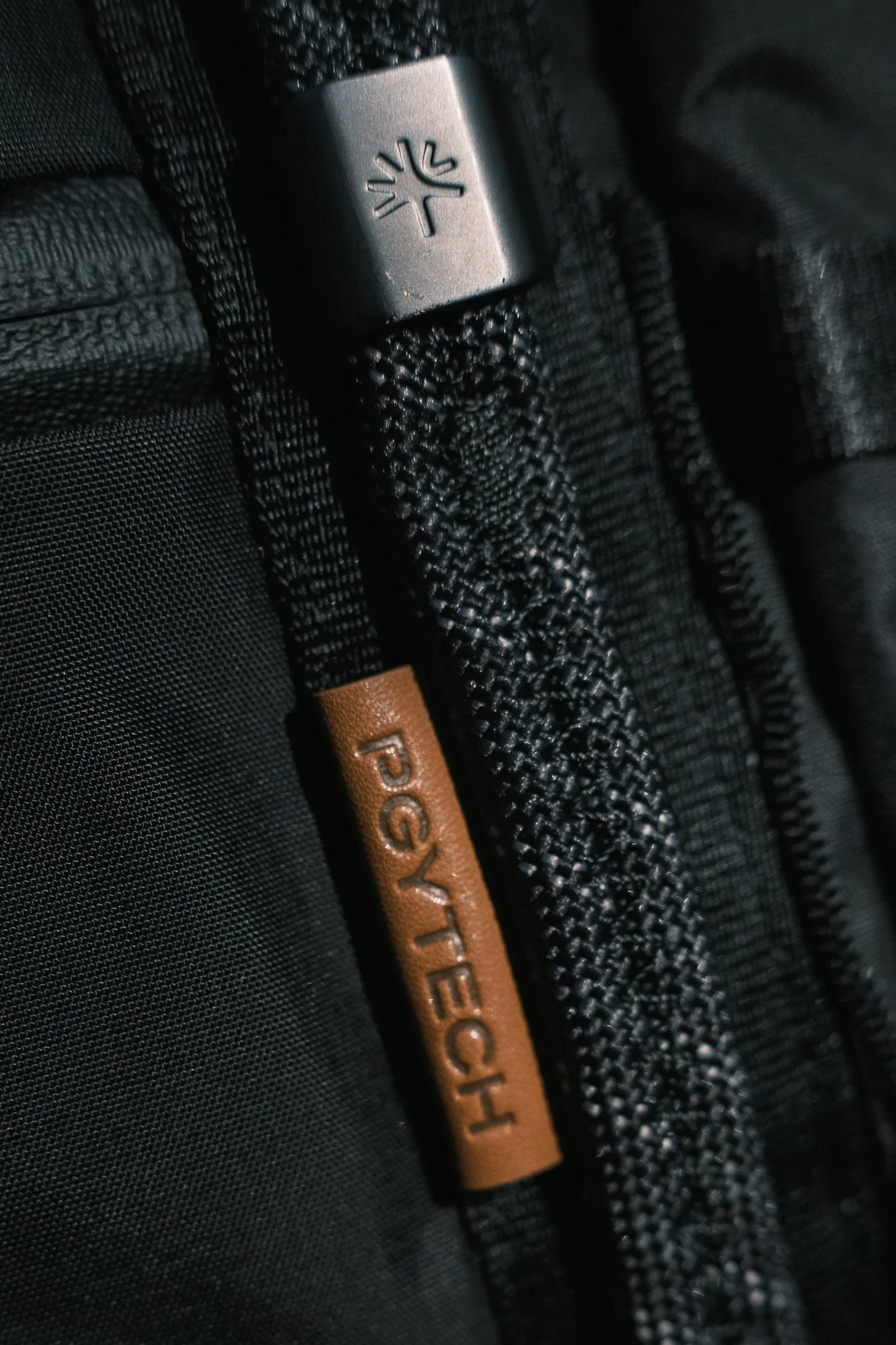
The black fabric, minimal branding and small details give it a clean appearance without looking overly technical.
I particularly like the tote-style handles. They offer another way to carry the bag, which is handy when picking it up or moving around somewhere crowded.
It’s a small design choice, but one that makes the bag feel more versatile.
The stitching, zips and materials also look good, with some nice touches throughout.
Quick access makes a difference
One of my biggest frustrations with camera backpacks has always been accessibility.
When I’m out photographing, particularly on the streets of London, I want to be able to get to my camera quickly.
I don’t want to take my entire bag apart every time I decide to change cameras or lenses.
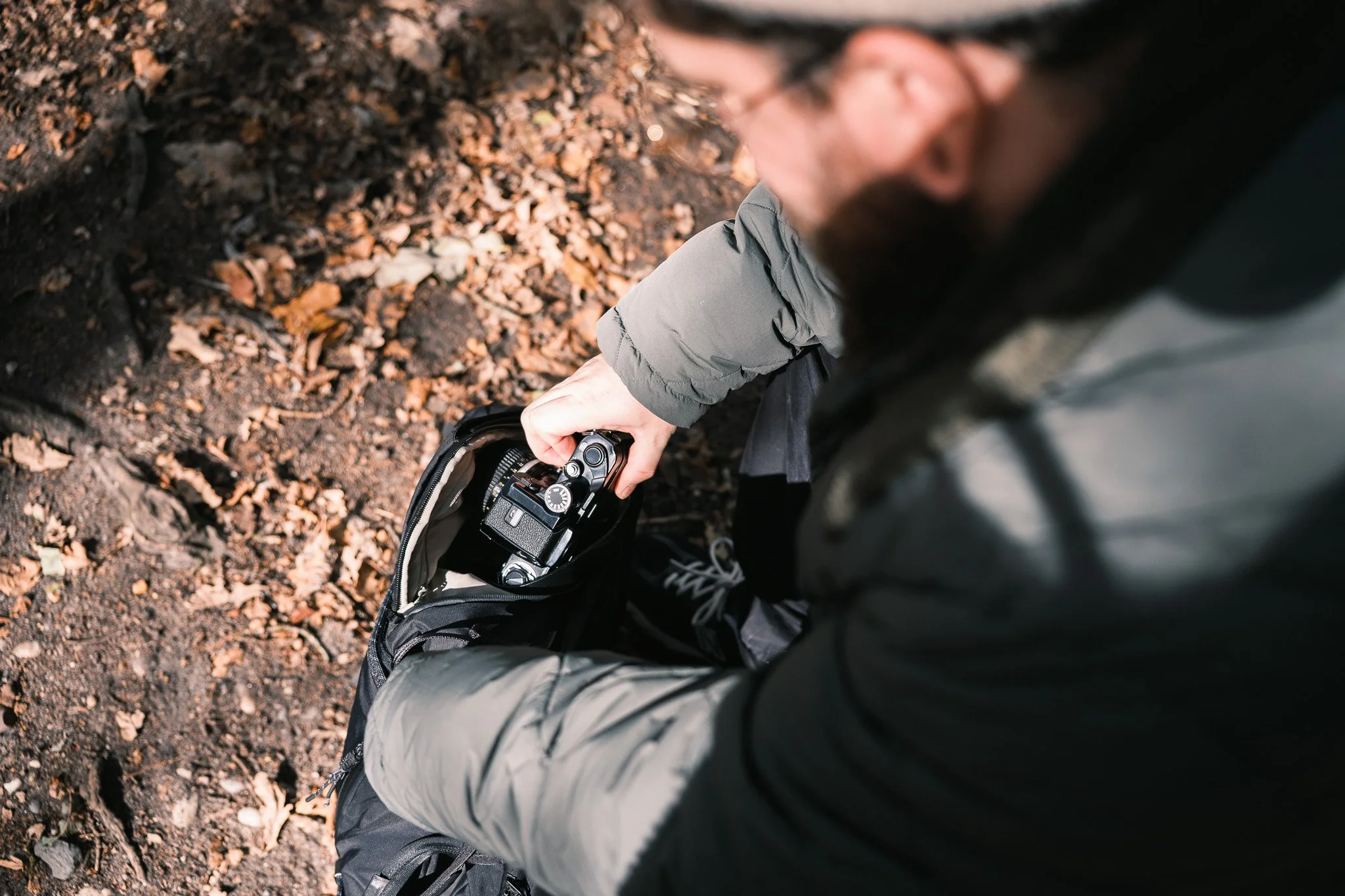
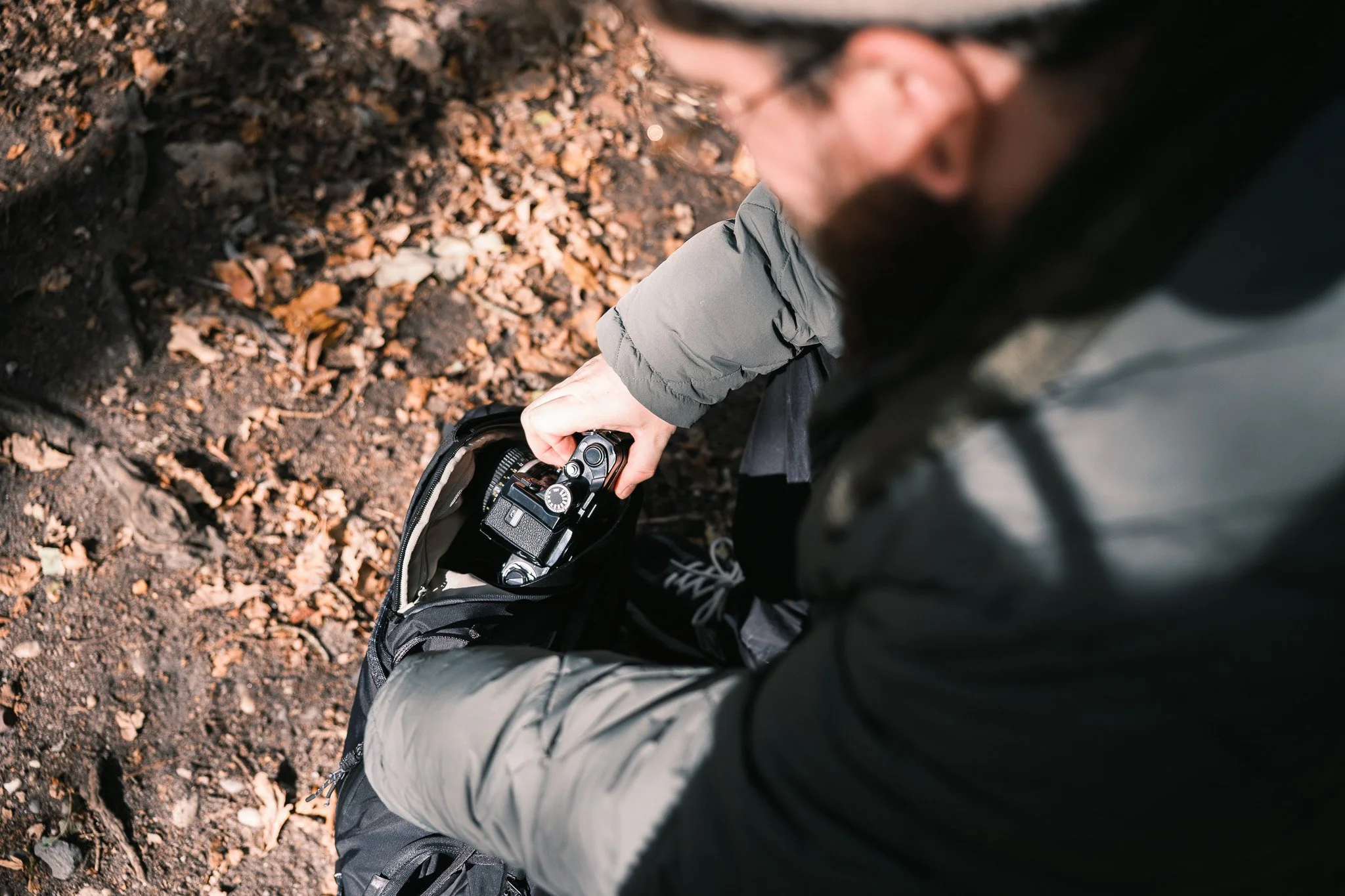
The OneGo Roamer’s side-access compartment makes that much easier.
I can reach my equipment when I need it, without having to open the entire bag.
There’s also the option of opening the main camera compartment fully when I need to organise everything properly.
For someone like me, who regularly switches between a Nikon F2 and a digital Nikon Z6III, having that flexibility is genuinely useful.
It’s one of those features that might sound relatively minor on paper, but makes a noticeable difference when you’re actually out shooting.
The PGYTECH Beetle Clip V2
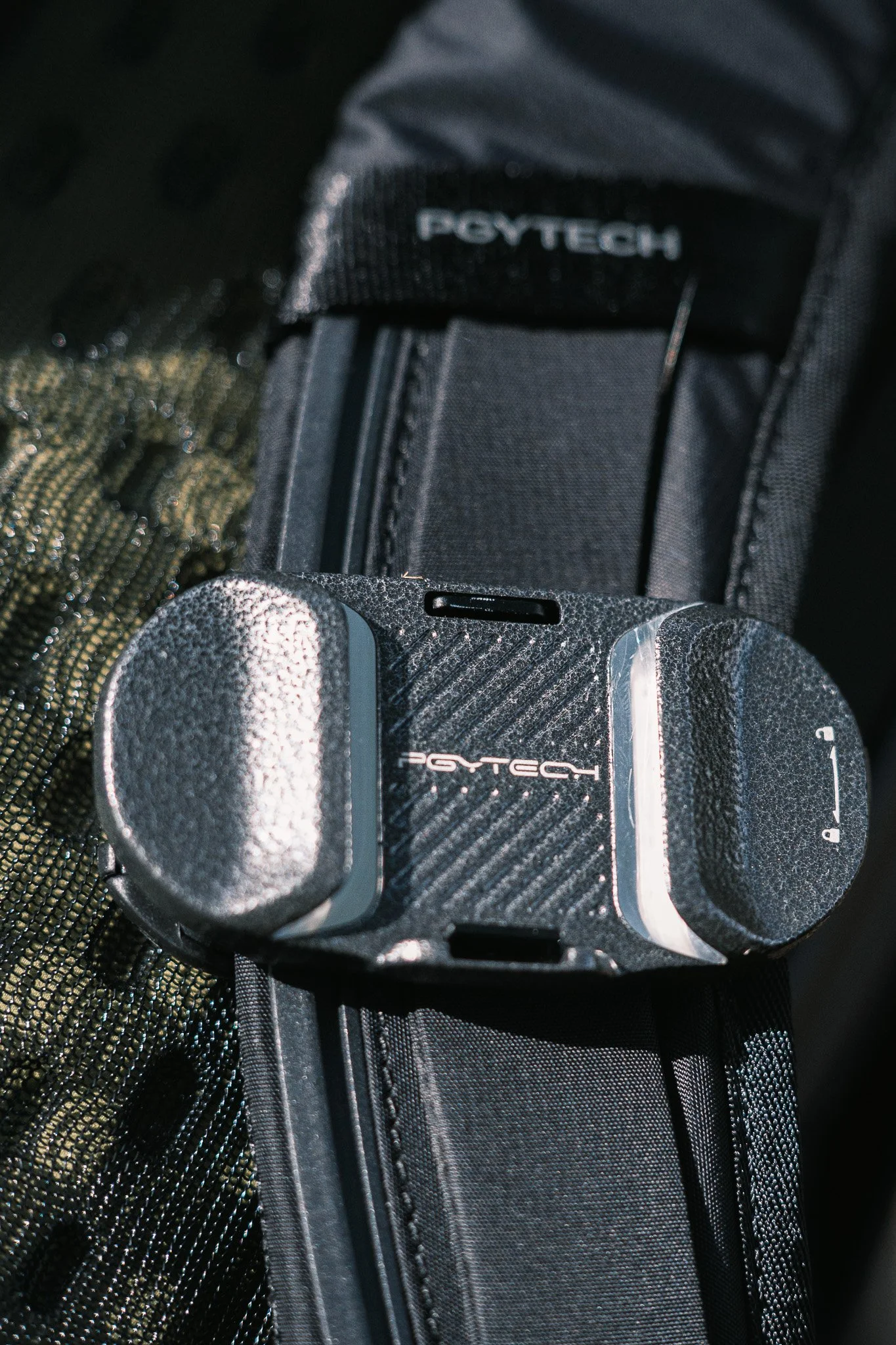
Alongside the backpack, PGYTECH also supplied me with their Beetle Camera Clip V2.
It’s a camera-carrying accessory that attaches to your backpack strap, allowing you to secure your camera on your chest rather than having it hanging from a traditional neck or shoulder strap.
If you’ve seen the Peak Design Capture Clip, it’s a similar concept.
I’ve used the Beetle Clip V2 with my camera, and it’s a useful addition to the setup.
It’s straightforward to attach to the backpack strap, and getting the camera into position is easy.
Once attached, it’s held my camera securely without any issues.
There is one area where I think Peak Design has the advantage, though.
In my opinion, the Peak Design clip feels more robust in its construction. The Beetle V2 doesn’t quite have that same solid, premium feel.
That’s not to say I’ve had any problems with it. It’s held my camera perfectly well, and I haven’t experienced any issues with the attachment itself.
It’s simply something I noticed when comparing the two.
Ultimately, the Beetle Clip V2 does what I need it to do, and it makes a useful companion to the OneGo Roamer.
Comfort and carrying
Another thing I’ve appreciated about the OneGo Roamer is how lightweight it feels.
When I’m out taking photographs, I can spend hours walking around London, stopping occasionally to take a photograph before moving on.
The last thing I want is a backpack that feels unnecessarily heavy or cumbersome.
The 18L size works particularly well for this.
There’s enough space to carry what I need without encouraging me to bring every camera and lens I own.
I also appreciate being able to move between carrying it on my back and using the tote handles when needed.
It’s a practical design that works well for the way I use a camera bag.
Film, digital and everything in between
One thing that’s become increasingly important to me is having equipment that works across different types of photography.
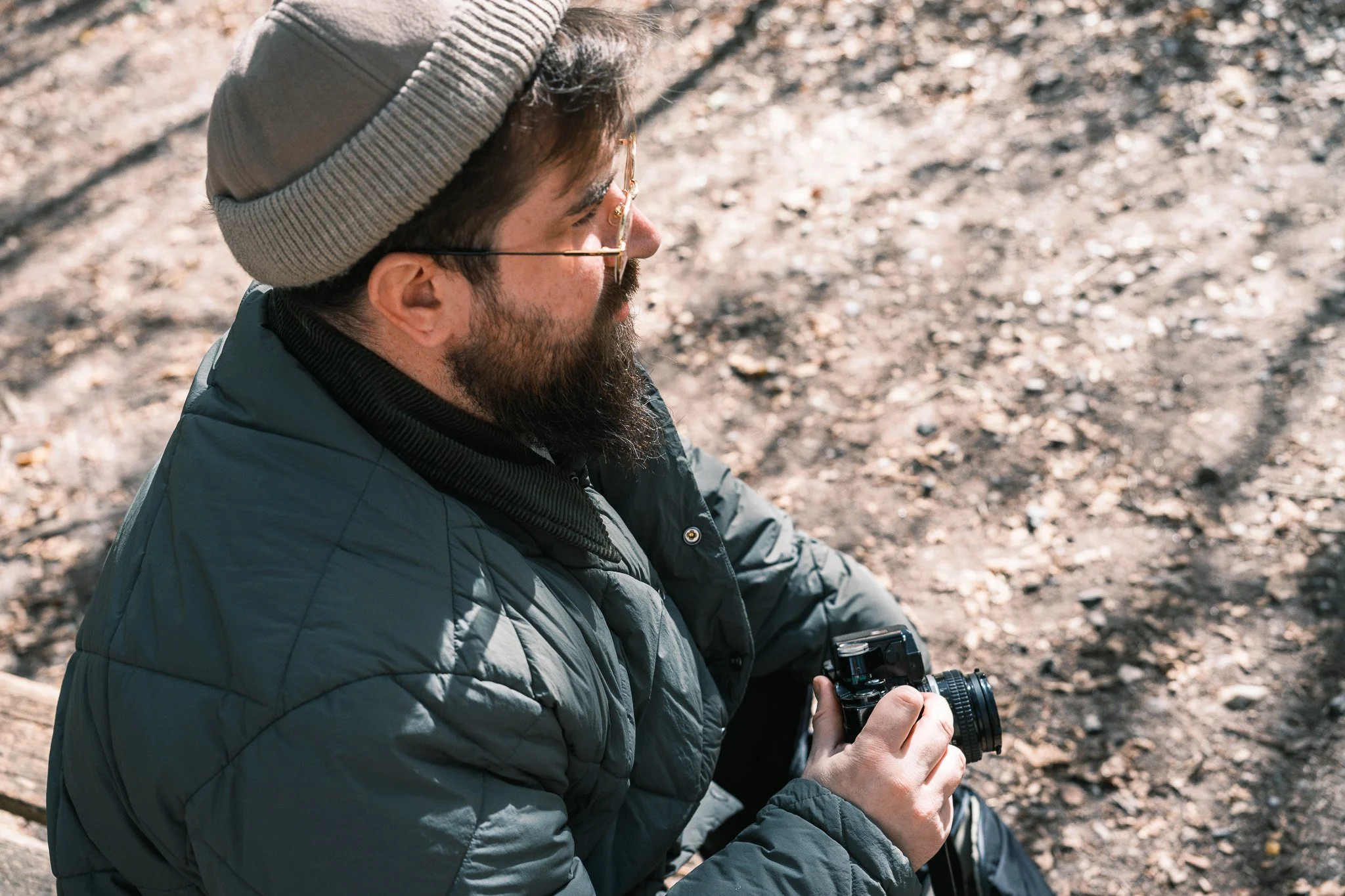
I shoot digital for weddings, portraits and plenty of everyday work, but I also spend a lot of time shooting 35mm and medium-format film.
Naturally, that means the equipment I’m carrying can change quite significantly from one day to the next.
Some days, my Nikon F2 and a few rolls of film are all I need.
Other days, I’ll have my Z6III, lenses and additional accessories.
The OneGo Roamer’s adjustable internal storage makes it easier to adapt the bag around what I’m taking out.
And when I’m heading into the office, there’s space for my laptop alongside my photography equipment.
I really like that I don’t need to think about having a separate bag for every situation.
Is there anything I’d change?
I always think it’s important to be realistic when reviewing photography equipment.
No bag is going to be perfect for every photographer.
The OneGo Roamer’s 18L capacity is ideal for my everyday setup, but naturally, photographers who regularly carry multiple camera bodies, large telephoto lenses or extensive lighting equipment might need something bigger.
That’s not really a criticism of the bag, though. It’s simply about choosing the right size for the equipment you carry.
As for the Beetle Clip V2, while it works well and has held my camera securely, I do think the Peak Design equivalent feels more substantial in terms of construction.
Neither of those points takes away from how much I’ve enjoyed using the backpack.
Final thoughts
The PGYTECH OneGo Roamer 18L has quickly become my favourite photography backpack.
And I don’t say that lightly.
What makes it stand out isn’t one revolutionary feature. It’s the fact that it gets so many everyday things right.
It’s compact enough for travelling around London, spacious enough for my laptop and camera equipment, lightweight, and gives me easy access to my cameras when I need them.
I also appreciate that it doesn’t look like a traditional photography backpack.
For someone who moves between the office, street photography and different camera systems, that versatility is exactly what I’ve been looking for.
The Beetle Clip V2 is a useful addition too. Although I think Peak Design has the edge in build quality, the Beetle has performed well for me and offers a convenient way to keep my camera accessible.
If you’re looking for a camera backpack that works just as well for everyday life as it does for photography, the OneGo Roamer 18L is definitely worth considering.
It’s easily the best photography backpack I’ve owned so far.
And if you want your own version, continue scrolling where you will find the links to the bag and the clip. Use LIAMPGYTECH for 10% off.
Products featured
PGYTECH OneGo Roamer Tote Backpack
Amazon Link for PGYTECH OneGo Roamer Tote Backpack
Disclosure: PGYTECH provided the products featured in this review. All opinions are my own, based on my personal experience using them.
